THE MATRIARCHAL FUTURE
A Blueprint for Transforming Power, Culture and Civilization
The purpose of this work is not to replace male domination with female domination. It is to replace patriarchal systems—organized around male authority, violence, hierarchy, exploitation and control of women—with matriarchal systems organized around women’s leadership, collective responsibility, care, ecological stewardship and the flourishing of all life.
This transformation must occur simultaneously in consciousness, culture, economics, politics, religion, education and daily community life.
PHASE I — NAME THE SYSTEM
1. Define patriarchy clearly
Patriarchy is not simply the behavior of individual men. It is a worldwide system in which men have historically controlled governments, wealth, religion, history, women’s bodies and organized violence. Men inherit this system, and both men and women may consciously or unconsciously perpetuate it.
2. Define matriarchy affirmatively
A matriarchal society is one in which women possess meaningful governing authority; mothers and children are central to public policy; and care, cooperation and the protection of life are treated as essential social infrastructure.
Men retain dignity, rights and participation. Matriarchy does not reproduce patriarchy with women on top. It ends the assumption that one sex is entitled to unaccountable power over another.
3. Create a Matriarchal Charter
The Charter must establish:
• Bodily sovereignty
• Freedom from male violence
• Economic independence
• Equal access to property, education and public authority
• Recognition and support of caregiving
• Protection of children, future generations and the living Earth
• Women’s authority within institutions that govern women’s lives
PHASE II — CHANGE CONSCIOUSNESS
4. Recover women’s history
Establish women’s museums, archives and public monuments. Restore women, Goddesses, female ancestors and woman-honoring civilizations to education. Create a worldwide Women’s History Timeline accessible to every school and community.
5. Expose patriarchal conditioning
Teach people to recognize domination when it is disguised as tradition, romance, religion, biology or “the natural order.” Challenge the glorification of conquest, male aggression and female self-sacrifice.
6. Create a new cultural story
Produce films, books, ceremonies, curricula, podcasts and art portraying women as founders, authorities, philosophers and civilization-builders. Give girls meaningful rites of passage into womanhood, and restore recognized social roles for mature women as Queens, Wisewomen and elders.
PHASE III — BUILD WOMEN’S POWER FROM THE GROUND UP
7. Create autonomous women’s circles
Begin with local circles of approximately eight to twenty women. Each circle combines education, mutual aid, civic action and leadership development. Local circles can then federate into city, regional, national and international councils.
8. Build practical mutual support
Women’s circles can organize:
• Childcare and elder-care exchanges
• Emergency funds
• Housing and employment networks
• Protection and accompaniment for women facing violence
• Mentoring and transmission of knowledge between generations
9. Develop women as governing leaders
Train women in public speaking, negotiation, campaigning, finance, law, conflict resolution and institutional leadership. Recruit women who value service, wisdom and accountability—not merely women who reproduce patriarchal behavior.
PHASE IV — TRANSFER POLITICAL POWER
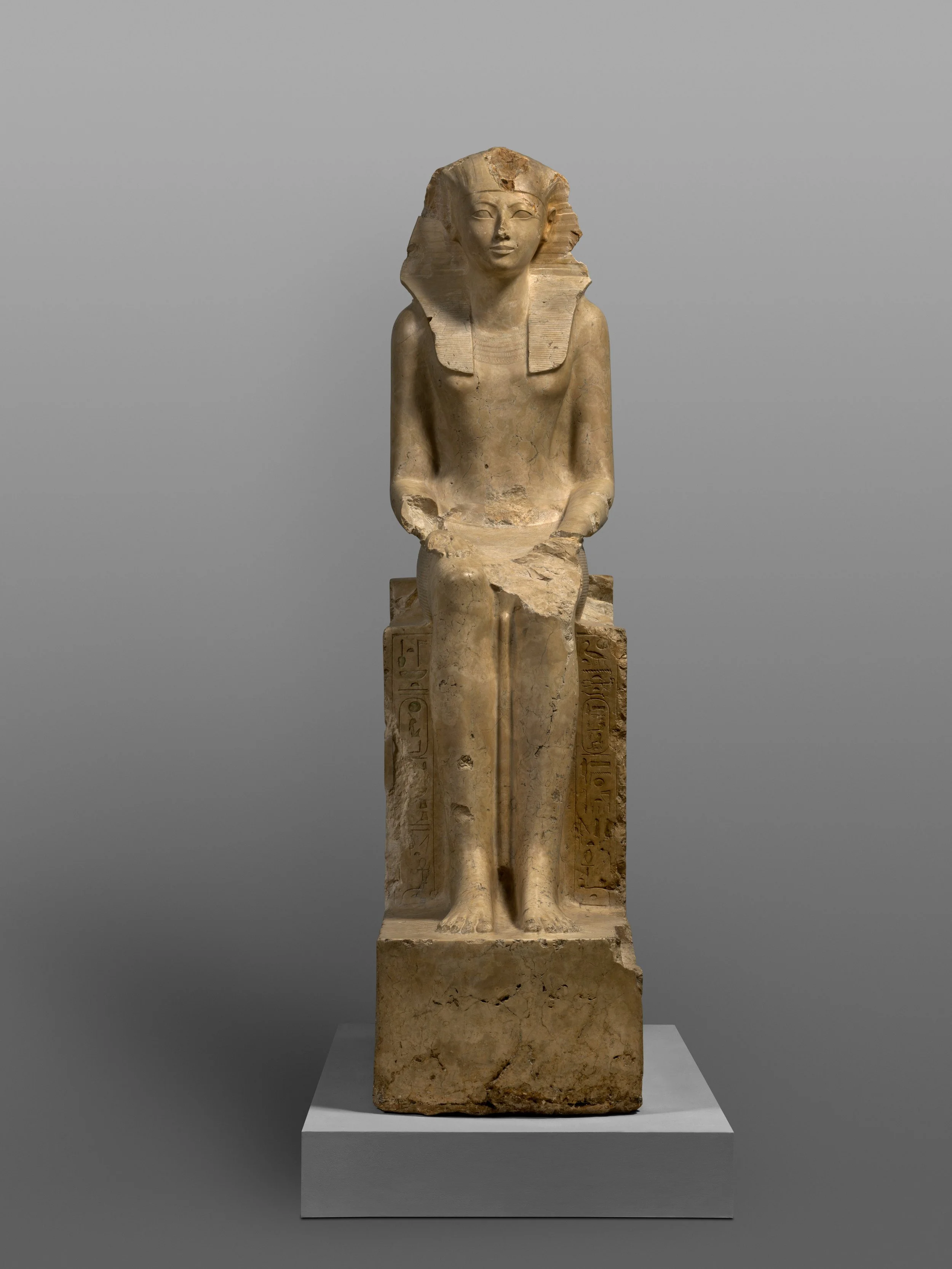
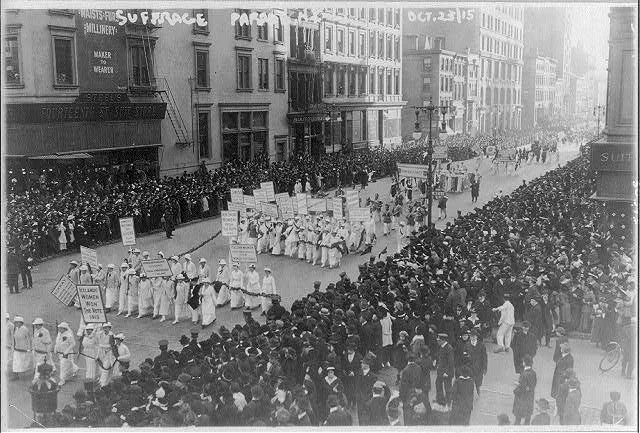
10. Establish political parity as a minimum
Women must hold at least half of elected offices, cabinets, courts, public boards and constitutional bodies. Nations can use candidate requirements, public campaign funding and voting reforms to accelerate change. Women candidates and officeholders must be protected from threats, stalking and organized digital abuse.
11. Create Women’s Councils with real authority
Women’s Councils should review laws concerning women, children, caregiving, sexuality, reproductive matters and violence. Indigenous, minority, disabled, poor and older women must be directly represented. These councils must possess budgets and legal powers—not merely ceremonial or advisory status.
12. Apply a Matriarchal Policy Test
Every proposed law should answer:
• Does it make women safer?
• Does it increase or reduce women’s economic independence?
• Who will perform the unpaid labor it creates?
• What will it do to children, future generations and the Earth?
• Were the women most affected involved in writing it?
PHASE V — TRANSFER ECONOMIC POWER
13. Guarantee women’s material independence
Establish equal inheritance, land ownership, banking and credit rights; equal pay and transparent salaries; universal childcare, healthcare and paid family leave; retirement credit for years spent caregiving; and an economic floor below which no woman can fall.
14. Move capital toward women
Direct public contracts, philanthropy and investment funds toward women-led organizations and women-owned businesses. Establish women’s banks, land trusts, housing cooperatives and community funds. Place women in control of institutional investment and charitable giving.
15. Recognize care as productive work
Measure unpaid caregiving in national economic accounts. Pay or credit essential family caregivers. Replace an economy dependent upon women’s invisible labor with one that recognizes, supports and shares it.
PHASE VI — END MALE VIOLENCE
16. Treat violence against women as a structural emergency
Create specialized investigative units and courts, reliable enforcement of protective orders, long-term housing and financial support for survivors, and serious accountability for trafficking, rape, coercive control, stalking and technology-assisted abuse.
17. Intervene before violence begins
Teach consent, emotional regulation and nonviolent conflict resolution from childhood. Challenge male entitlement and peer cultures that reward cruelty. Give boys honorable, non-dominating models of manhood.
18. Give women authority over women’s safety
Women must lead the oversight of prisons, shelters, policing practices and sexual-violence policy. No institution should be permitted to investigate itself when women report abuse.
PHASE VII — TRANSFORM RELIGION, FAMILY AND EDUCATION
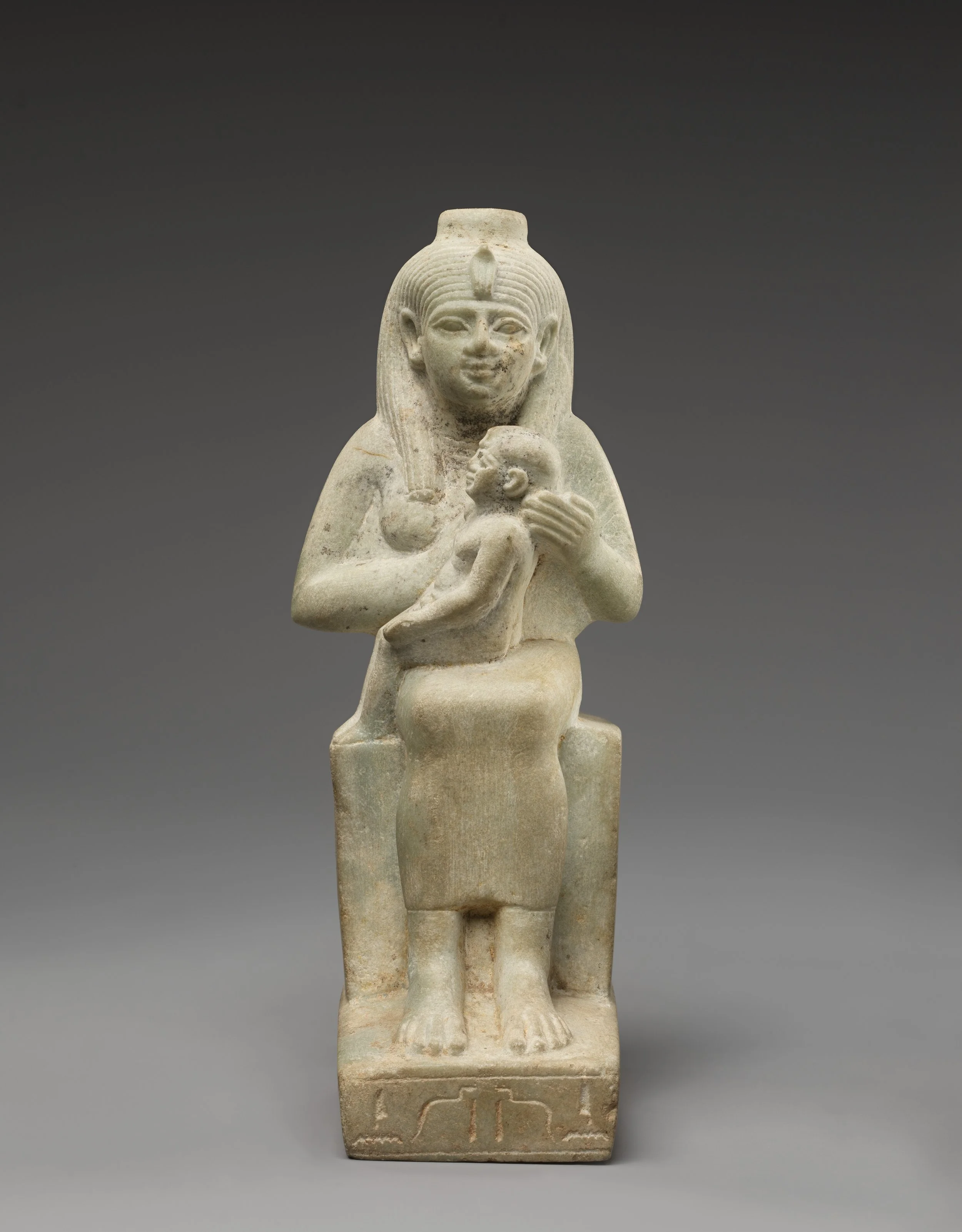
19. Restore the Sacred Female
Recover Goddess traditions, female spiritual authorities and women’s ceremonies. End religious teachings that present male supremacy as divinely ordained. Protect freedom of religion while refusing religious exemptions that deny women their civil rights.
20. Democratize the family
Reject ownership models of marriage and compulsory female service. Teach shared domestic responsibility. Protect every woman’s right to remain single, child-free, divorced or economically autonomous.
21. Educate for human interdependence
Replace conquest-centered history with the history of civilization itself: birth, agriculture, medicine, cooperation, art and community. Teach girls authority and boys reciprocity. Make ecological literacy and caregiving core subjects.
PHASE VIII — CREATE A GLOBAL MATRIARCHAL FEDERATION
22. Federate without concentrating power
Local circles elect regional councils. Regional councils send representatives to national assemblies. National assemblies participate in a Global Matriarchal Congress. Each level retains cultural autonomy while accepting the Charter’s fundamental principles and protections.
23. Publish an annual Patriarchy Index
Measure every nation by:
• Women’s share of governing power
• Women’s ownership of wealth and land
• Freedom from male violence
• Bodily sovereignty
• The distribution of caregiving
• Women’s representation in history, religion and media
• The conditions of mothers and children
• Ecological protection
24. Reward measurable transformation
Direct international recognition, resources and investment toward communities meeting matriarchal benchmarks. Use lawful consumer campaigns and institutional divestment to hold organizations accountable when they systematically exploit women.
THE FIRST FIVE YEARS
YEAR ONE — Write the Matriarchal Charter, establish a founding council and launch the educational campaign.
YEAR TWO — Establish one hundred pilot women’s circles and publish the first Patriarchy Index.
YEAR THREE — Form regional councils, leadership academies and women-controlled economic funds.
YEAR FOUR — Advance a model legislative program addressing safety, caregiving, economic autonomy and political parity.
YEAR FIVE — Convene the first Global Matriarchal Congress and publish the results of the pilot communities.
THE MUSEUM OF WOMAN’S ROLE
The Museum of Woman can become an intellectual, cultural and ceremonial birthplace of this transformation.
• Draft and exhibit the Matriarchal Charter
• Create the exhibition Patriarchy: The System We Inherited
• Create its companion exhibition Matria: The World We Are Building
• Establish a model local Matriarchal Council
• Publish a women’s-circle organizing handbook
• Convene an annual Matriarchal Congress
• Train the first cohort of community facilitators
THE CENTRAL STRATEGY
Awaken women.
Connect women.
Resource women.
Place women in authority.
Rebuild institutions around the protection and flourishing of life.
Honoring Woman: Past, Present & Future—for the flourishing of All Life.

PHASE II — CHANGE CONSCIOUSNESS
4. Recover women’s history
Establish women’s museums, archives and public monuments. Restore women, Goddesses, female ancestors and woman-honoring civilizations to education. Create a worldwide Women’s History Timeline accessible to every school and community.
5. Expose patriarchal conditioning
Teach people to recognize domination when it is disguised as tradition, romance, religion, biology or “the natural order.” Challenge the glorification of conquest, male aggression and female self-sacrifice.
6. Create a new cultural story
Produce films, books, ceremonies, curricula, podcasts and art portraying women as founders, authorities, philosophers and civilization-builders. Give girls meaningful rites of passage into womanhood, and restore recognized social roles for mature women as Queens, Wisewomen and elders.
PHASE III — BUILD WOMEN’S POWER FROM THE GROUND UP
7. Create autonomous women’s circles
Begin with local circles of approximately eight to twenty women. Each circle combines education, mutual aid, civic action and leadership development. Local circles can then federate into city, regional, national and international councils.
8. Build practical mutual support
Women’s circles can organize:
• Childcare and elder-care exchanges
• Emergency funds
• Housing and employment networks
• Protection and accompaniment for women facing violence
• Mentoring and transmission of knowledge between generations
9. Develop women as governing leaders
Train women in public speaking, negotiation, campaigning, finance, law, conflict resolution and institutional leadership. Recruit women who value service, wisdom and accountability—not merely women who reproduce patriarchal behavior.
PHASE IV — TRANSFER POLITICAL POWER
10. Establish political parity as a minimum
Women must hold at least half of elected offices, cabinets, courts, public boards and constitutional bodies. Nations can use candidate requirements, public campaign funding and voting reforms to accelerate change. Women candidates and officeholders must be protected from threats, stalking and organized digital abuse.
11. Create Women’s Councils with real authority
Women’s Councils should review laws concerning women, children, caregiving, sexuality, reproductive matters and violence. Indigenous, minority, disabled, poor and older women must be directly represented. These councils must possess budgets and legal powers—not merely ceremonial or advisory status.
12. Apply a Matriarchal Policy Test
Every proposed law should answer:
• Does it make women safer?
• Does it increase or reduce women’s economic independence?
• Who will perform the unpaid labor it creates?
• What will it do to children, future generations and the Earth?
• Were the women most affected involved in writing it?
PHASE V — TRANSFER ECONOMIC POWER
13. Guarantee women’s material independence
Establish equal inheritance, land ownership, banking and credit rights; equal pay and transparent salaries; universal childcare, healthcare and paid family leave; retirement credit for years spent caregiving; and an economic floor below which no woman can fall.
14. Move capital toward women
Direct public contracts, philanthropy and investment funds toward women-led organizations and women-owned businesses. Establish women’s banks, land trusts, housing cooperatives and community funds. Place women in control of institutional investment and charitable giving.
15. Recognize care as productive work
Measure unpaid caregiving in national economic accounts. Pay or credit essential family caregivers. Replace an economy dependent upon women’s invisible labor with one that recognizes, supports and shares it.
PHASE VI — END MALE VIOLENCE
16. Treat violence against women as a structural emergency
Create specialized investigative units and courts, reliable enforcement of protective orders, long-term housing and financial support for survivors, and serious accountability for trafficking, rape, coercive control, stalking and technology-assisted abuse.
17. Intervene before violence begins
Teach consent, emotional regulation and nonviolent conflict resolution from childhood. Challenge male entitlement and peer cultures that reward cruelty. Give boys honorable, non-dominating models of manhood.
18. Give women authority over women’s safety
Women must lead the oversight of prisons, shelters, policing practices and sexual-violence policy. No institution should be permitted to investigate itself when women report abuse.
PHASE VII — TRANSFORM RELIGION, FAMILY AND EDUCATION
19. Restore the Sacred Female
Recover Goddess traditions, female spiritual authorities and women’s ceremonies. End religious teachings that present male supremacy as divinely ordained. Protect freedom of religion while refusing religious exemptions that deny women their civil rights.
20. Democratize the family
Reject ownership models of marriage and compulsory female service. Teach shared domestic responsibility. Protect every woman’s right to remain single, child-free, divorced or economically autonomous.
21. Educate for human interdependence
Replace conquest-centered history with the history of civilization itself: birth, agriculture, medicine, cooperation, art and community. Teach girls authority and boys reciprocity. Make ecological literacy and caregiving core subjects.
PHASE VIII — CREATE A GLOBAL MATRIARCHAL FEDERATION
22. Federate without concentrating power
Local circles elect regional councils. Regional councils send representatives to national assemblies. National assemblies participate in a Global Matriarchal Congress. Each level retains cultural autonomy while accepting the Charter’s fundamental principles and protections.
23. Publish an annual Patriarchy Index
Measure every nation by:
• Women’s share of governing power
• Women’s ownership of wealth and land
• Freedom from male violence
• Bodily sovereignty
• The distribution of caregiving
• Women’s representation in history, religion and media
• The conditions of mothers and children
• Ecological protection
24. Reward measurable transformation
Direct international recognition, resources and investment toward communities meeting matriarchal benchmarks. Use lawful consumer campaigns and institutional divestment to hold organizations accountable when they systematically exploit women.
THE FIRST FIVE YEARS
YEAR ONE — Write the Matriarchal Charter, establish a founding council and launch the educational campaign.
YEAR TWO — Establish one hundred pilot women’s circles and publish the first Patriarchy Index.
YEAR THREE — Form regional councils, leadership academies and women-controlled economic funds.
YEAR FOUR — Advance a model legislative program addressing safety, caregiving, economic autonomy and political parity.
YEAR FIVE — Convene the first Global Matriarchal Congress and publish the results of the pilot communities.
THE MUSEUM OF WOMAN’S ROLE
The Museum of Woman can become an intellectual, cultural and ceremonial birthplace of this transformation.
• Draft and exhibit the Matriarchal Charter
• Create the exhibition Patriarchy: The System We Inherited
• Create its companion exhibition Matria: The World We Are Building
• Establish a model local Matriarchal Council
• Publish a women’s-circle organizing handbook
• Convene an annual Matriarchal Congress
• Train the first cohort of community facilitators
THE CENTRAL STRATEGY
Awaken women.
Connect women.
Resource women.
Place women in authority.
Rebuild institutions around the protection and flourishing of life.
Honoring Woman: Past, Present & Future—for the flourishing of All Life.